Tim
Hey! My name is... over there ↑ and
I'm a Software Engineer from the UK.
Every project is an opportunity to create an impact. It begins with a clear target and the deliberate application of skill, honed over years of practice.
I don’t just aim to complete the task at hand; I aim to build a clean solution that initiates a chain reaction - making future development more scalable, more maintainable, and much faster.

MOSTRECENTPROJECTS
Dual-Identity Portfolio
This portfolio represents the culmination of my technical expertise and design philosophy. The challenge: how to present two distinct identities - my professional real-world self and my creative online alias - without maintaining two separate codebases. The solution is a bespoke 'Site Variant' architecture powered by Next.js Middleware. It dynamically adapts content, assets, and styling based on the hostname, all managed via a single embedded Sanity Studio. Beyond the architecture, the site features complex 'scrollytelling' animations, a unique 'screenshot-wipe' theme switcher, and a puzzle-based contact form, all built with a strict design-first methodology.
MooMoo.io Utility Mod
Returning to the classic .io game MooMoo.io, I was intrigued by the massive prevalence of script kiddie hackers. This curiosity led to a deep dive into reverse-engineering the game's obfuscated code and network protocols. The result is a modular, high-quality utility script that adds quality-of-life features for the few non-hackers while strictly adhering to the game's Terms of Service by avoiding unfair advantages. The project is built based on a Microkernel architecture, demonstrating a focus on readability and extensibility. By intercepting real-time game data through a WebSocket Proxy, the mod dynamically injects and manages its UI without interfering with the game's core loop. This project showcases deep practical skills in reverse engineering, defensive programming, and creating a seamless user experience within a third-party application.
Nest Your CSS
Born from a need for a simple, pure CSS nesting converter, this project evolved into a personal challenge: could a basic utility be elevated to an 'Awwwards-level' website using only vanilla HTML, CSS, and JS? The result is a free, open-source tool that showcases advanced front-end techniques, from performance and accessibility to modern CSS features, all without a framework.
Dual-Identity Portfolio
This portfolio represents the culmination of my technical expertise and design philosophy. The challenge: how to present two distinct identities - my professional real-world self and my creative online alias - without maintaining two separate codebases. The solution is a bespoke 'Site Variant' architecture powered by Next.js Middleware. It dynamically adapts content, assets, and styling based on the hostname, all managed via a single embedded Sanity Studio. Beyond the architecture, the site features complex 'scrollytelling' animations, a unique 'screenshot-wipe' theme switcher, and a puzzle-based contact form, all built with a strict design-first methodology.

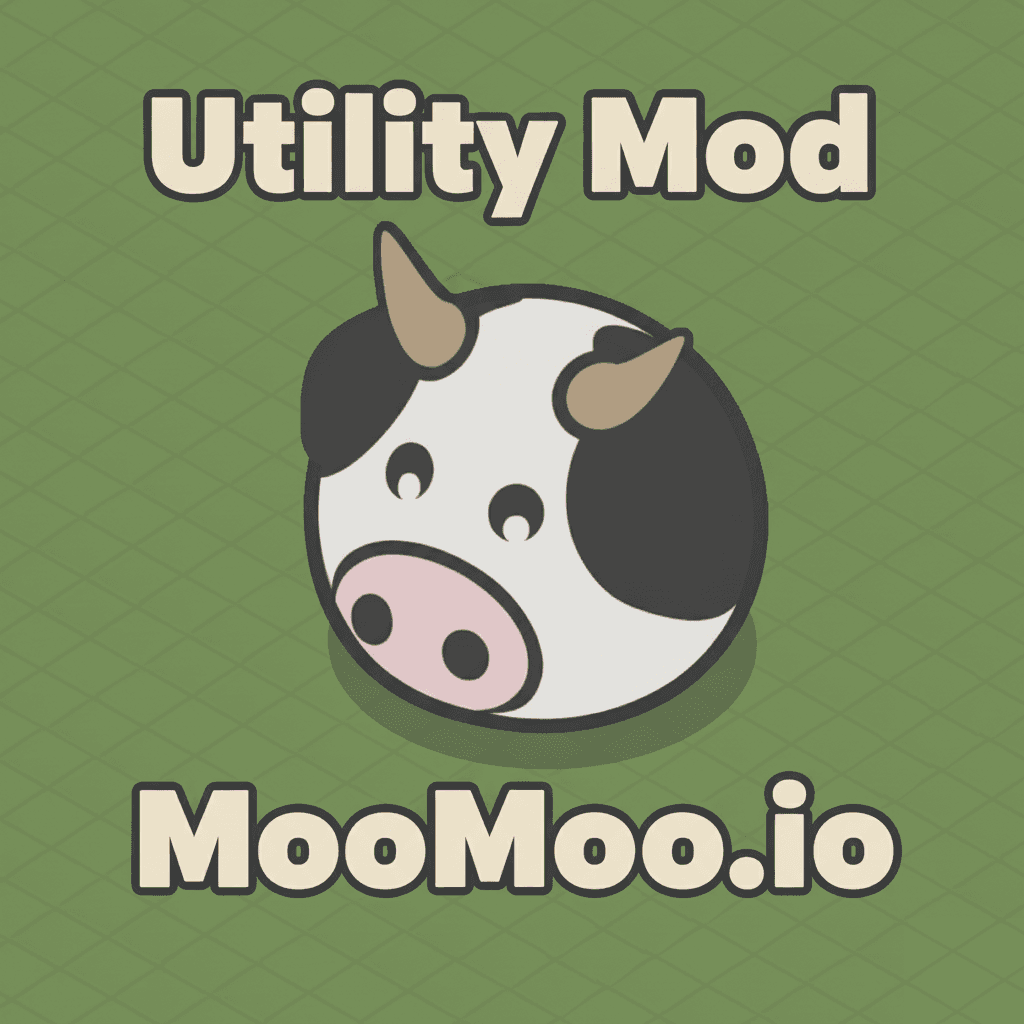
MooMoo.io Utility Mod
Returning to the classic .io game MooMoo.io, I was intrigued by the massive prevalence of script kiddie hackers. This curiosity led to a deep dive into reverse-engineering the game's obfuscated code and network protocols. The result is a modular, high-quality utility script that adds quality-of-life features for the few non-hackers while strictly adhering to the game's Terms of Service by avoiding unfair advantages. The project is built based on a Microkernel architecture, demonstrating a focus on readability and extensibility. By intercepting real-time game data through a WebSocket Proxy, the mod dynamically injects and manages its UI without interfering with the game's core loop. This project showcases deep practical skills in reverse engineering, defensive programming, and creating a seamless user experience within a third-party application.
Nest Your CSS
Born from a need for a simple, pure CSS nesting converter, this project evolved into a personal challenge: could a basic utility be elevated to an 'Awwwards-level' website using only vanilla HTML, CSS, and JS? The result is a free, open-source tool that showcases advanced front-end techniques, from performance and accessibility to modern CSS features, all without a framework.
